
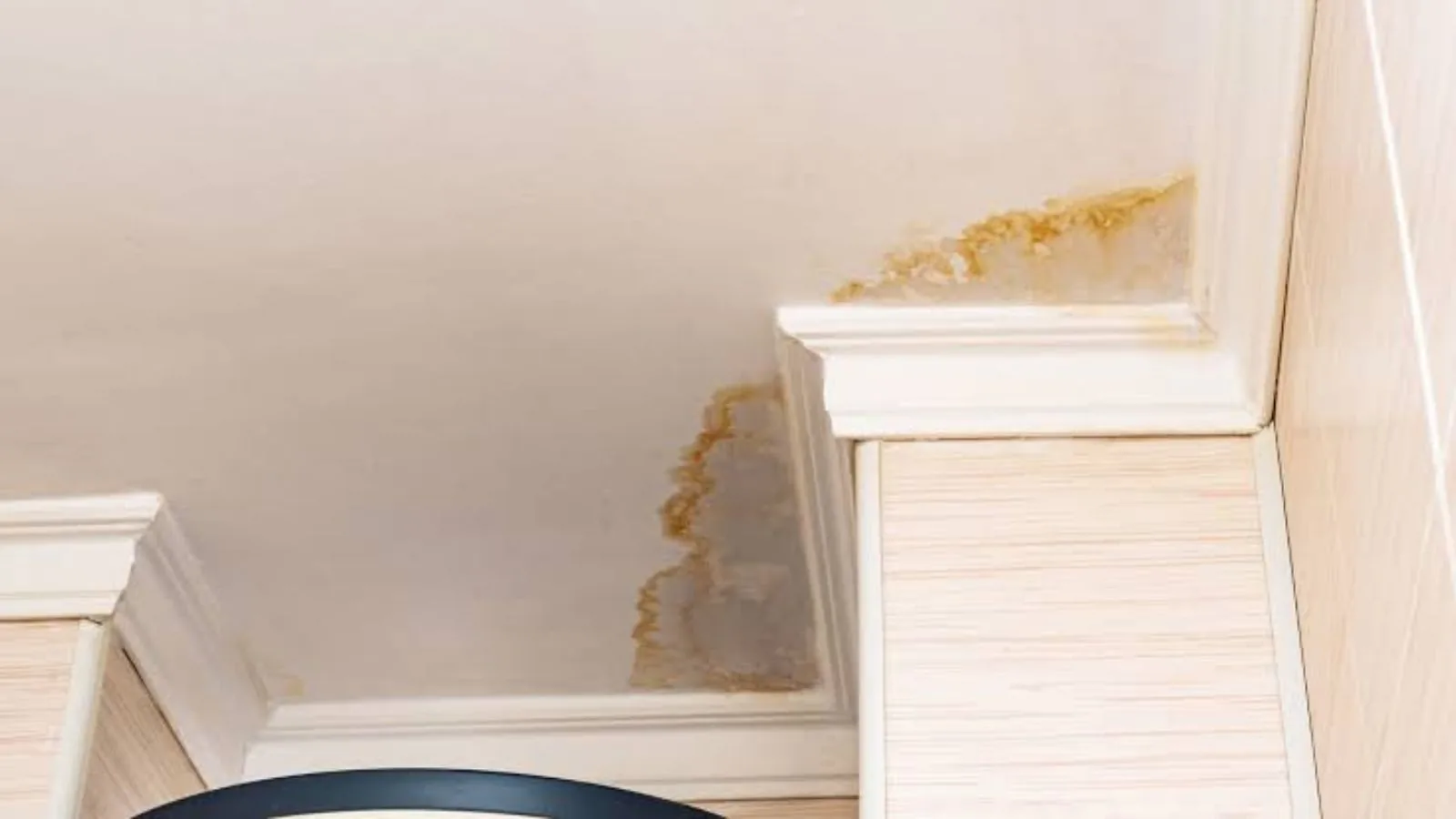
Why water damage matters at purchase
A house can look clean and still carry old moisture damage behind a wall or under a floor. Past leaks may have been repaired well, patched cosmetically or never fixed at all. At purchase you cannot see the history, so you read the clues. This guide covers what a buyer can check during a showing and what to ask for before closing.
It is general information, not an inspection. A licensed home inspector and, where the signs call for it, a moisture assessment give you real findings for a specific house.
What to look for room by room
| Area | What to look for | What it may mean |
|---|---|---|
| Basement walls and floor | White mineral residue, rust at the base of posts, a musty smell | Past or recurring moisture |
| Ceilings | Rings, fresh paint in one patch, texture that does not match | Past leak from above |
| Under sinks and around toilets | Swollen cabinet base, rust on supply lines, soft flooring | Slow plumbing leak |
| Window sills and corners | Peeling paint, dark staining, soft wood | Water entry at openings |
| Water heater and furnace area | Rust on the tank base, a scorched pan, stains on the floor | Leak history |
| Flooring | Cupping, gaps, soft spots, buckled seams | Moisture below |
| Garage and attached walls | Stains on drywall at the base, efflorescence | Water entering from outside |
Clues that are easy to miss
Fresh paint on one ceiling patch in an otherwise older room is worth a question. So is new flooring in only one room, a dehumidifier running in a finished basement, or boxes stacked against one wall. A strong air freshener or an odor that appears when the heat comes on can mean moisture is nearby. None of these proves a problem. Together they justify asking more.
Questions to ask the seller
Michigan sellers complete a disclosure statement about known conditions, and your agent can explain what it covers. Ask directly whether the home has had water in the basement, a roof or plumbing leak, a sewer backup or an insurance claim for water, and ask for repair records and receipts. A seller who answers plainly and has paperwork is easier to trust than one who cannot say.
What an inspection can and cannot do
A general inspection looks at visible conditions and often uses a moisture meter at suspect spots. It does not open walls, and an inspector may not find moisture behind finished surfaces. If something looks suspicious, you can ask for a moisture assessment with a thermal imaging camera, which shows temperature differences that point to damp areas. A seller may agree to a follow up before closing, and you can negotiate based on findings. A crew can explain the drying and repair steps, as described on the wall and drywall page.
Byron Center local notes
Before you buy, look up the parcel in the FEMA Flood Map Service Center. It shows whether a mapped flood hazard area touches the property, and lenders may require flood insurance in mapped areas. The map does not describe local drainage problems, so also ask the seller about standing water after storms.
Byron Township's 2024 master plan describes township sewer in most developed areas east of Ivanrest Avenue and north of 84th Street and septic systems in rural parts. Ask which applies to the house, and if it is septic, ask for the tank's pumping and inspection records. A failing septic field can cause wet yards and, in some cases, drain backups. The Byron Center Museum and Historical Society at 2506 Prescott St SW keeps plat maps and township history, a useful resource for the age and layout of an older lot.
Basement and crawl space questions
Not every Byron Center home has a basement, and this site does not guess which do. If the house has one, ask about a sump pump, its age and whether a backup power source exists. If it has a crawl space, ask for photos of the vapor barrier and insulation. The issues are covered on the basement page and the crawl space page.
A buyer's timeline that works
First walk the property with the checklist above and take photos of anything suspicious. Second, ask the seller the direct questions and request repair records. Third, hire an inspector and tell them which spots worried you, so they spend time there. Fourth, if the inspector flags moisture, ask for an assessment before the inspection contingency ends. A buyer who waits until after closing loses most of the negotiating power the contingency gives. Write down every answer, and ask for important answers in writing.
Repairs priced before closing are easier to negotiate than surprises afterward. A seller may agree to fix an issue, credit the cost or lower the price, and your agent can advise on which fits your situation.
If you find damage after you move in
Photograph it, stop the water if it is active and call. Crews serve Byron Center, Dorr and Caledonia on the 24/7 line at (833) 521-1033, and the scope and price are explained before work starts.
Frequently asked questions
Can an inspector tell me if there was past water damage?
Sometimes. An inspector looks for visible signs and may use a moisture meter. Hidden moisture inside walls may need a separate assessment.
Is a musty smell a reason to walk away?
Not by itself, but it is a reason to find the source. Ask the seller, and consider a moisture assessment before you commit.
Do I need flood insurance in Byron Center?
Check the FEMA Flood Map Service Center for the address and ask your lender and insurer. This site cannot say whether a given home needs it.
Where can I learn about the history of an older lot in the township?
The Byron Center Museum and Historical Society keeps plat maps and township records that can help trace a lot's layout and age.