
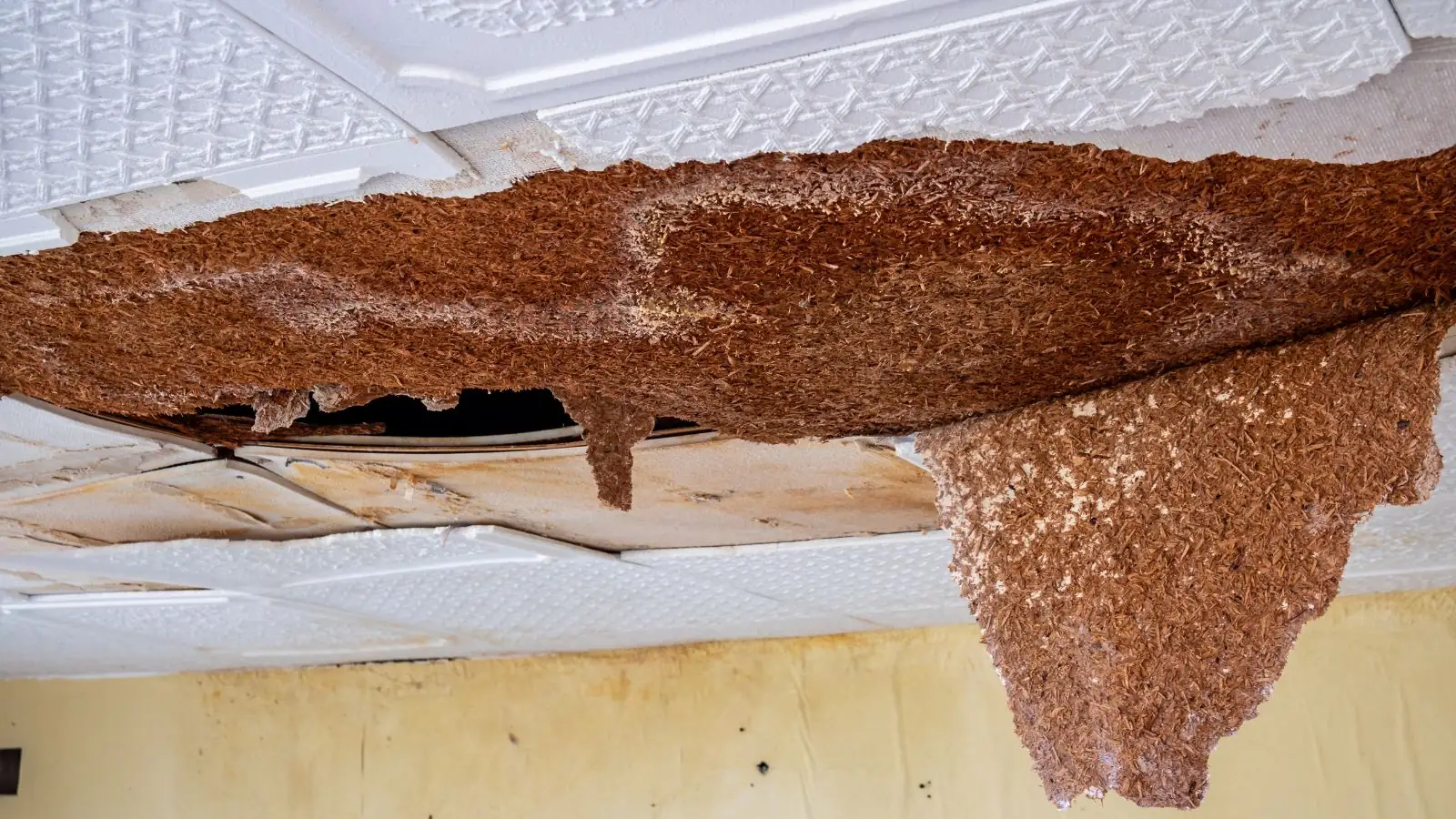
When a commercial water loss is an emergency
Emergency commercial water damage in Byron Center, MI differs from a home loss because the building is working. A burst line in a retail suite, a roof leak over a stockroom or a failed sprinkler line in an office hits inventory, records and revenue as well as drywall and flooring. Call the 24/7 line at (833) 521-1033, shut off water at the nearest valve, and move inventory, files and electronics out of the wet zone before the crew arrives.
Practical first steps for a business:
- Close the valve nearest the source and note where it is, for the plumber and the property manager.
- If water is near electrical panels or outlets, leave the area and call the utility or 911.
- Photograph the loss and list affected inventory and equipment.
- Notify your landlord or property manager and your insurer.
Commercial losses are organized around downtime
A home can be vacated for a few days. A business cannot. The scope for commercial work is built around keeping parts of the building usable, drying one suite while another stays open, and scheduling noisy or disruptive work for off hours. The restoration crew works with the building owner, tenants and property manager, and the plan should state which spaces are affected and for how long.
| Building type | Common water source | Concern |
|---|---|---|
| Retail or restaurant | Supply lines, grease trap overflow, roof drains | Floors, inventory, odors |
| Office | Sprinkler or supply line, HVAC condensate | Records, electronics, carpet tile |
| Multi-tenant building | Upstairs unit, roof | Several suites, shared walls |
| Older downtown building | Aging lines, roofs, drains | Plaster, wood floors, concealed spaces |
What local buildings bring
Byron Township's master plan describes downtown buildings along Byron Center Avenue near 84th Street as one and two story structures, many well over 100 years old. Older buildings often have plaster, wood floors and concealed voids that hide water. If your business is in an older structure, tell the crew, because older materials respond differently to drying and moisture can sit where no one looks.
Newer retail, office and light industrial buildings have drop ceilings, carpet tile and slab floors that dry faster but hide water in ceiling plenums and under flooring. A thermal camera and moisture mapping are as important in them as in a house.
What a loss plan should include
A written plan for a business loss should name the rooms or suites affected, the water source and whether it is stopped, the equipment going in and the number of days it is expected to run. It should say who will be on site, how access will work for tenants and staff, and how the building will be secured overnight. Ask for a contact who can answer questions during the job, and ask how moisture readings will be shared with you and the property manager. A plan this specific also helps an adjuster understand what happened and why each step was taken.
Who is responsible
In a leased space the lease determines who pays and who calls. Landlords often handle the structure, while tenants handle contents and improvements. Ask your landlord or property manager before ordering work, and check your business insurance for coverage of property and interruption. Do not assume a policy covers everything, and ask your insurer.
What shapes the cost
Size of the affected area
Square footage and the number of suites drive equipment and labor.
Building materials
Carpet tile, drop ceilings, drywall and slab floors each have different needs.
After hours scheduling
Work done around business hours takes planning.
Water category
Clean supply water differs from sewage or storm water.
Drying time
Larger spaces need more equipment and longer monitoring.
A crew explains the scope and price before work starts. Call (833) 521-1033 to describe the building.
Documentation for a business claim
Keep a log of what was affected, photographs of the damage, moisture readings and equipment reports. Insurers may request these records, and a good log speeds the claim. Coverage depends on your policy, so ask your insurer what applies to property and business interruption.
Serving Byron Center and nearby towns
Commercial calls come from Byron Center, Dorr and Caledonia. Related pages cover water extraction and storm water damage for businesses hit by weather.
Frequently asked questions
Do you handle commercial water emergencies at night or on weekends in Byron Center?
Yes. The line answers 24/7, and a loss in a building that is closed for the night is a common call.
Can you work while the business stays open?
Often partly. A plan can isolate the wet area and schedule disruptive work for off hours, but it depends on the loss and the building.
Do you handle multi-tenant buildings?
Yes. Multi-tenant losses involve several suites and a property manager, and the scope should state what is affected and who is responsible for each part.
What records should I keep for my insurer?
Photos, an inventory list, moisture readings, equipment logs and receipts for emergency steps.