
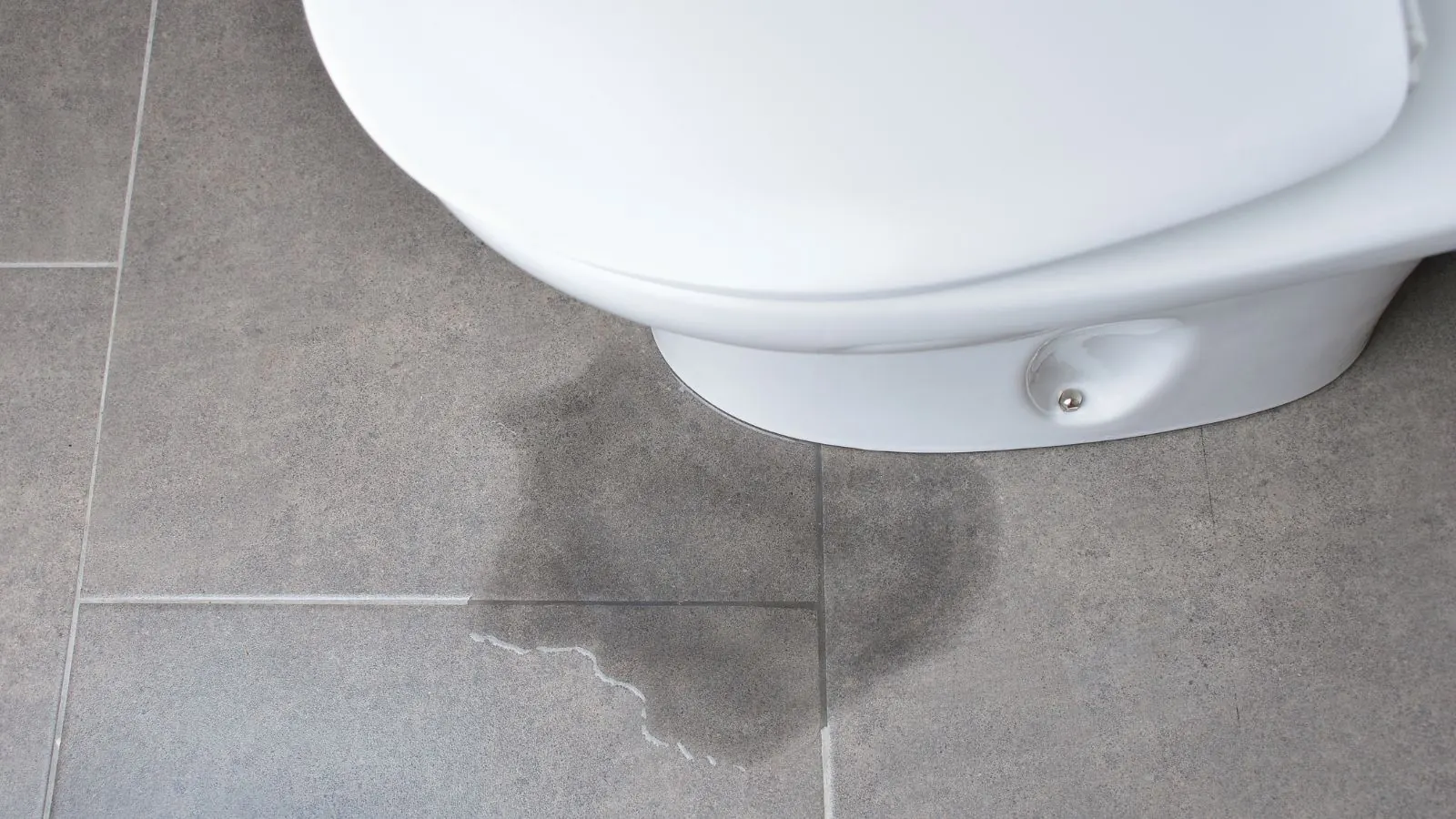
Water backing up from a floor drain or toilet: is it sewage?
If dark, foul smelling water is coming up through a basement floor drain, a toilet or a tub, that is most likely sewage, and the trade term for the cleanup is Category 3 water. The word means grossly contaminated. It is the most hazardous class under the ANSI/IICRC S500 standard, and it is handled with protective gear, containment and disinfection, not towels and fans.
Emergency sewage backup cleanup in Byron Center, MI begins with stopping use of drains. Do not flush, run the dishwasher, wash laundry or let anyone use a tub or sink until the line is cleared. Keep children and pets out of the area, and call the 24/7 line at (833) 521-1033 after you have moved to a safe spot.
First steps when sewage is in the house
- Avoid contact with the water. Wear waterproof gloves and boots if you must go in, and wash hands thoroughly after.
- Do not use household fans or vacuums on sewage water.
- Turn off power to the room only if the panel is dry. If outlets are submerged, call the utility or 911.
- Open windows for air if that is safe, and keep food and medicine out of the area.
- Take photos of the water and what it touched.
Where the backup comes from
A backup comes from one of two places. If the blockage is in the lateral line between the house and the main, water backs up at the bottom-most drain, usually in a basement. If the problem is in the municipal main, several homes may be affected. Byron Township's master plan says township sewer serves most developed areas east of Ivanrest Avenue and north of 84th Street and around the village center, and that rural parts of the township rely on septic systems. Which one serves your home determines who to call.
| Your home is on | Cause is probably | Call |
|---|---|---|
| Township sewer | Blockage in your lateral or in the main | A plumber for your line, the township for the main |
| Septic system | Full tank, failed field or clog | A septic service company |
| Not sure | Either | Ask the Byron Township Water and Sewer Department |
How crews clean sewage
Sewage cleanup follows a strict order. Contaminated water is pumped or vacuumed out, then porous materials that soaked it, such as carpet, pad, insulation and lower drywall, are removed and bagged. Hard surfaces are cleaned and treated with an antimicrobial, and the structure is dried with equipment before anything is rebuilt. Fans and ordinary shop vacuums are never enough, because they spread contamination into the air.
The standard treats the backup as a health hazard, and this site does not diagnose or advise on illness. Anyone with a health concern after exposure should talk to a physician. For clean water, see water extraction, and for outside water entering from the ground see flood damage cleanup. Basement backups are also covered on the basement water page.
What shapes the cost
Volume and area
Water across several rooms is a bigger job than a bathroom floor.
Materials affected
Carpet, pad and wood flooring are usually removed.
Protective steps
Protective gear, containment and disposal add to the scope.
Drying and disinfection
Treating surfaces and drying wall bases extends the schedule.
Rebuild scope
Drywall, flooring and trim after the area is cleared.
The scope and price are explained before work starts. Call (833) 521-1033 for your own.
Insurance and sewer backups
Sewer or sump backup is often excluded from a standard homeowners policy unless an endorsement was added. Michigan's insurance department lists water and sewer backup coverage as something to review. Check your policy or ask your insurer whether your coverage includes it.
Serving Byron Center and nearby towns
The crews cover Byron Center, Dorr and Caledonia. Say whether the water is coming from one drain or several, because that points toward the lateral line or the main.
Frequently asked questions
Do you handle sewage backup emergencies at night or on weekends in Byron Center?
Yes. The line is open 24/7. Stay away from the water, stop using drains and call.
Is sewage backup an emergency even when the water is only a few inches?
Yes. Depth does not change the contamination. Even a small amount on a porous floor can soak into carpet and wall bases.
Can I clean sewage myself?
A small amount on a hard surface may be manageable with protective gear, but any sewage that touched carpet, drywall or insulation should be handled by a professional crew. Do not use fans or vacuums on it.
Who fixes the clog?
A plumber clears a clogged lateral, and the township or a septic company handles the main or the tank. Restoration deals with the damage the backup caused.