
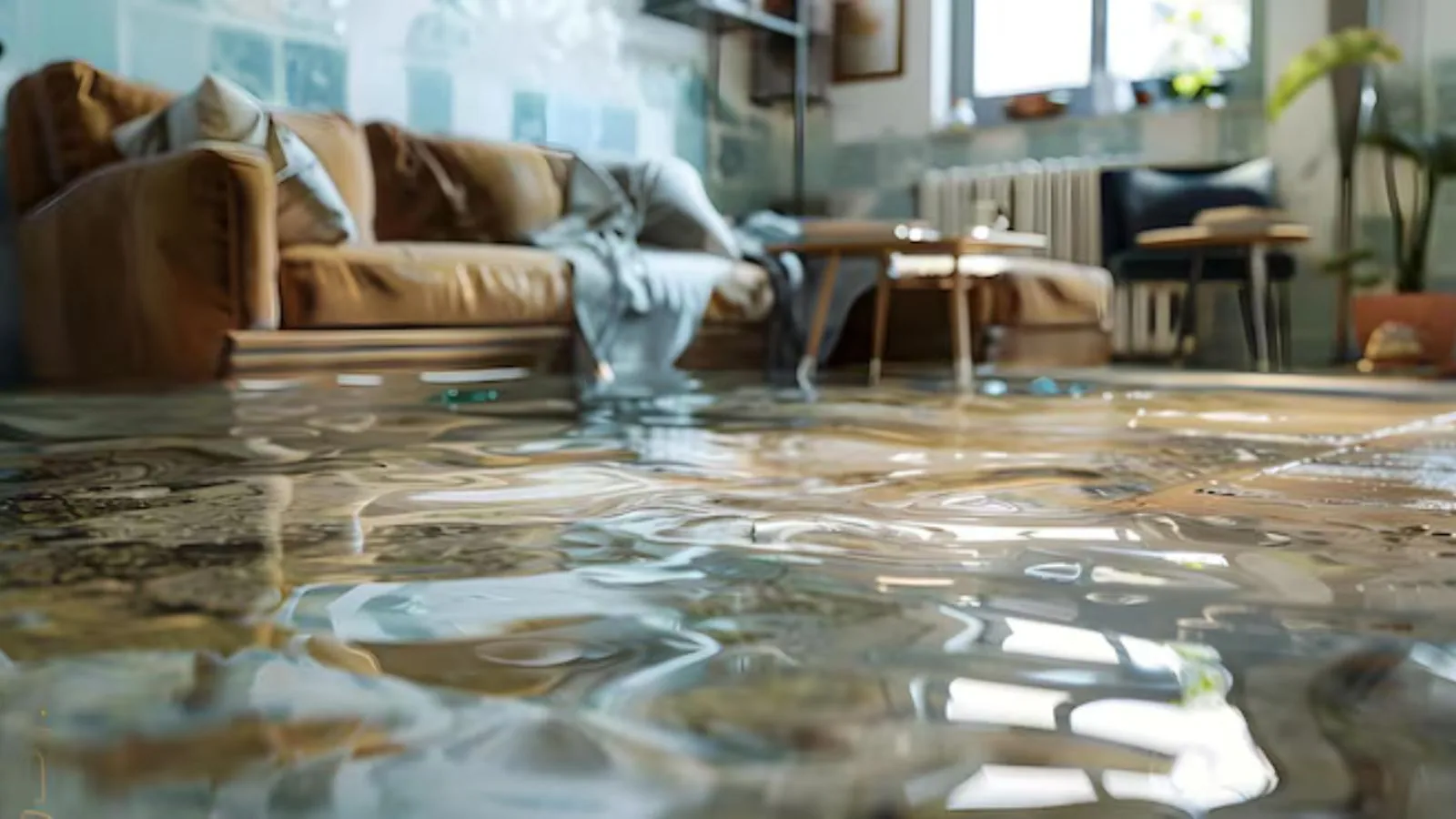
The sorting rule: water type first
Clean water gives you many options. Contaminated water gives you few. Under the ANSI/IICRC S500 standard, Category 3 water, such as sewage or flood water, is grossly contaminated, and porous items it touched are generally discarded. Check the category before you decide about anything else. If you are unsure, treat the water as contaminated and ask a professional.
A general guide by material
| Material | Clean water, caught fast | Contaminated water |
|---|---|---|
| Carpet | Often dried in place, replace the pad | Discard |
| Carpet pad | Usually replaced | Discard |
| Drywall | Dry or cut and replace depending on readings | Remove |
| Insulation | Usually removed if wet | Remove |
| Upholstered furniture | May be dried, results vary | Discard |
| Mattresses | Often discarded | Discard |
| Solid wood furniture | Often dried and refinished | Clean carefully or discard |
| Hard plastic and metal | Wash and disinfect | Wash and disinfect with care |
| Paper, books, photos | Dry quickly, or freeze to pause damage | Discard most paper |
| Clothing and linens | Wash hot | Discard if soaked in sewage |
| Electronics | Do not power on, have them checked | Discard |
Food and medicine
Food that touched flood or sewer water should be thrown away, including canned goods with damaged seals, packaged foods and anything in permeable containers. Food in a refrigerator that lost power may also be unsafe, so check guidance from health authorities. Medicine that got wet should be discarded or checked with a pharmacist. When in doubt, throw it out.
Papers and keepsakes
Wet paper can often be dried if handled early. Separate sheets, blot and air dry, or freeze documents in a freezer bag to stop damage until you can sort them. Photographs can be rinsed with clean water and dried face up. Irreplaceable items are worth professional help, which some conservators and document restoration companies offer.
Photograph before you discard
Take pictures of damaged items and write down what they were, their age and their approximate value. If the item is a large or bulky one, photograph it where it sits. Keep a sample of carpet or flooring if the insurer might need it. Do not throw away anything the insurer may inspect until they say so, unless it is unsafe. See the guides on insurance claims for the record keeping.
How to handle contaminated materials safely
Wear gloves, boots and eye protection. Bag contaminated items and keep them away from living areas. Wash your hands carefully afterward and keep children and pets away. Do not use household fans or vacuums on sewage. If you feel unwell after exposure, talk to a physician. The cleanup steps are on the sewage backup page.
Byron Center local notes
If your basement took on water from a sump pump failure or a drain backup, treat porous items stored there as contaminated. Cardboard boxes, fabric and paper in a basement are the most commonly lost items. Raising boxes on shelves or plastic bins above the floor protects them in future storms.
Disposal rules for large or bulky waste differ by hauler and municipality, so ask your waste hauler or the township office how to dispose of soaked carpet, mattresses and furniture. Take care with items that may be hazardous, and ask before putting them at the curb.
Insurance and your sorting
Sorting is easier when you know what the insurer needs. Photograph each group of items, make a simple list with a rough value and keep damaged items until the adjuster has seen them, unless they are unsafe or contaminated. Ask your insurer how it wants hazardous items handled, since a sewage soaked sofa is better photographed and then removed than left in a living room for weeks. Keep receipts for any new items you buy while you wait, since some policies reimburse essential replacements.
If an item has sentimental value, set it aside and ask a professional about restoring it before you decide. Some things can be saved with early action, and photos, documents and framed art are the most common examples.
Cleaning what you keep
Hard items that touched clean water can be washed with detergent and warm water, rinsed and dried. Items that touched contaminated water need washing and a disinfecting step, for example a diluted household bleach solution on nonporous surfaces, following the product label and never mixed with other cleaners. Dishes and cookware should be washed and sanitized before use. Wooden cutting boards and porous utensils that touched contaminated water should be discarded. Let everything dry fully, since moisture left in crevices invites odors.
The same logic applies to toys, tools and décor. Hard and nonporous items are usually cleanable, porous and absorbent ones usually are not.
When to ask for help
If a whole room of belongings is wet, a restoration company can handle the structure while you sort. Call (833) 521-1033 to arrange it. The crews serve Byron Center, Dorr and Caledonia, and the water extraction step comes before the sorting is finished.
Frequently asked questions
Can I keep a rug that got wet?
If the water was clean and you act fast, a rug can often be cleaned and dried. If the water was contaminated, discard it.
Should I throw out food after a basement flood?
Throw out anything that touched flood or sewer water. When in doubt, discard it.
How do I dry photos?
Rinse with clean water if needed, then dry face up on a clean surface. Freezing them stops further damage until you can handle them.
Where do I put wet carpet in Byron Center?
Ask your hauler or the township office about bulky waste rules. Bag contaminated material and keep it away from living spaces.