
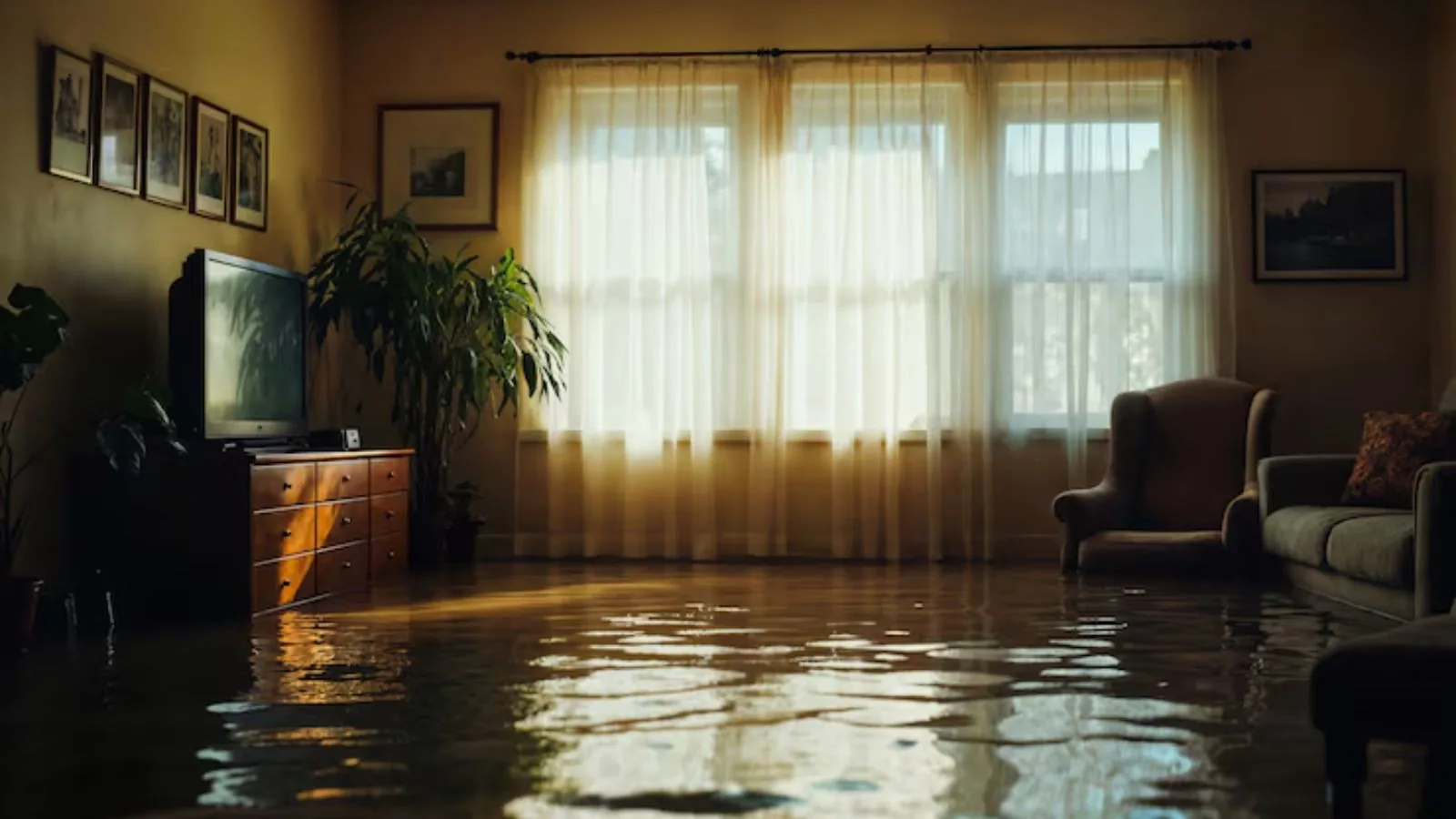
Why time away raises the risk
When you are home, you hear a hose burst or see a drip. When you are away, a supply line can run until you return. Even a small leak over days can soak floors, walls and ceilings. Winter adds the risk of frozen pipes. A short routine before you go removes most of the risk at little cost.
The checklist before you leave
| Item | What to do | Why |
|---|---|---|
| Main water shutoff | Close it for any trip longer than a night | Stops a supply line burst |
| Water heater | Turn to vacation mode or off if you will be gone for long | Reduces stress on the tank |
| Washing machine | Close the supply valves | Hoses fail under pressure |
| Dishwasher and ice maker | Shut their supply valves | Small lines can burst |
| Heat in winter | Keep it on at a safe temperature | Prevents frozen pipes |
| Sump pump | Test it and check the discharge | Basements flood when it fails |
| Gutters and downspouts | Clear them | Overflow can reach the foundation |
| Someone to check | Ask a neighbor to look in | A small problem is found early |
Closing the main shutoff
Closing the main valve is the single most useful step. With the main closed, a failed hose cannot flood the house, because no pressurized water reaches it. If you want the lines drained for a long trip, ask a plumber how to do it for your system. If you are not sure how to shut it off, the guide on shutting off the water main explains the steps. A frozen pipe is a separate problem, covered on the frozen pipe page.
Winter trips
In Michigan winters, a house with no heat can freeze pipes in hours or days depending on the weather. If you leave, keep the heat on at a level you would trust, such as at least 55 degrees, and open cabinet doors on exterior walls under sinks. Some people have the pipes drained for long absences. A plumber can advise on what suits your home. Ask someone to check the house during very cold stretches, and ask them to look for drips and a cold house.
Smart devices help but do not replace habits
Leak sensors placed under sinks, beside the water heater and near the washing machine send an alert to your phone when they get wet. Some water shutoff devices close the main automatically when they detect flow that does not stop. These tools can catch a leak while you are away. They need working batteries and a connection, so test them. They are an extra layer, not a substitute for closing valves.
Byron Center local notes
In Byron Township, sump pumps are a common line of defense for basements, though the township's documents do not report how many homes have them. If yours has one, test it before a trip by pouring water into the pit until the float lifts the pump. Check that the discharge pipe runs away from the foundation, and consider a battery backup, because storms often cause power outages when you most need the pump.
The township's master plan lists county drains in the area. If a drain behind your property overflows during heavy rain, the Kent County Drain Commission handles maintenance requests. Heavy rain forecasts are a good reason to ask a neighbor to look in while you are away.
A fifteen minute routine
Most of the list takes less time than packing. Walk through in order: close the main, shut the appliance valves, set the heat, check the sump, and look at the gutters. Take a photo of each valve in its closed position, so you can confirm from your phone what you did if you start to worry on the road. Leave a note for the house sitter with the main shutoff location, the plumber's number and the number to call for restoration. Keep a spare key with a neighbor, since a delay in getting in lets water spread.
When you return, open the main slowly and check under sinks and around the water heater before you leave the area. A leak that shows up on restart is easier to catch while you are standing there.
Little habits that add up
Keep the plumber's number on the fridge and a small flashlight near the main shutoff. Replace old rubber washer hoses with braided steel ones if a plumber agrees, and check hose ages every few years. These small steps cost little and make a leak less likely.
If something goes wrong anyway
Shut the main valve, stay out of areas with wet outlets, photograph the damage and call. The crews at (833) 521-1033 serve Byron Center, Dorr and Caledonia, and water extraction starts with an assessment of what got wet.
Frequently asked questions
Should I turn off the water for a weekend trip?
It is a good habit for any trip, and the main valve is the most useful single step. It costs nothing but a minute.
What temperature should I leave the heat at in winter?
Many guides suggest at least 55 degrees, but a plumber can advise for your home's insulation and exterior walls.
Do leak sensors work?
They alert you when they get wet if they are powered and connected. Test them and replace batteries, and do not treat them as a replacement for closing the main.
Who checks my house while I am gone?
A neighbor or friend with a key and your shutoff instructions works well. Give them your plumber's and restoration company's numbers.