
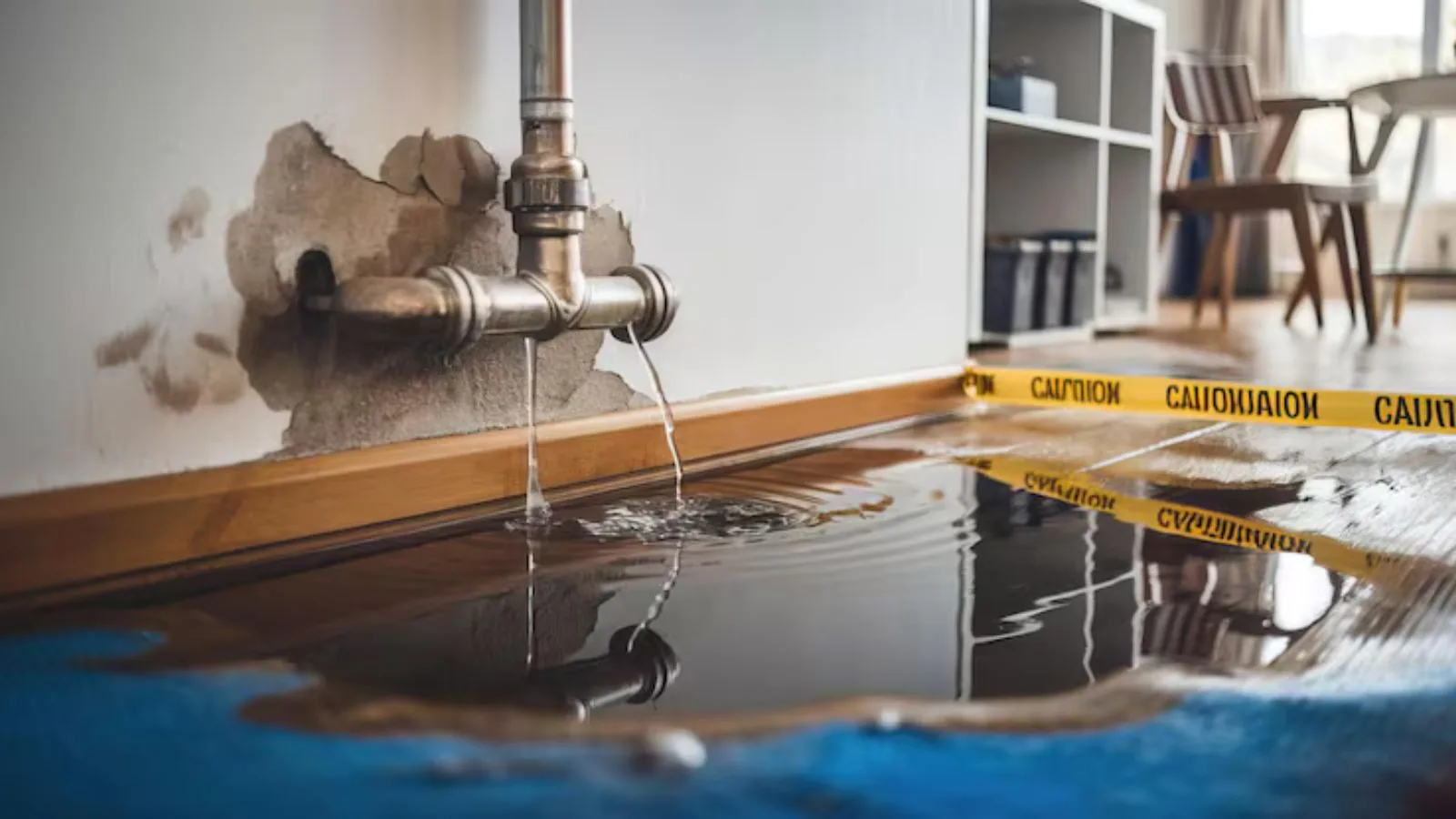
Start with safety and stopping the water
Before any claim steps, stop the source if it is safe to do so and keep people away from hazards. Shut the main valve for a supply line, avoid wet outlets and cords, and stay out of sewage. A claim can wait a day, and an unsafe room cannot. Most policies also expect reasonable steps to prevent further damage, so quick action usually helps rather than hurts.
The order that works for most losses
- Make the area safe and stop the water.
- Photograph and video the damage before anything is moved.
- Call your insurer or agent to report the loss and ask what they need.
- Call a restoration crew to start extraction and drying.
- Keep damaged items and failed parts until the adjuster says otherwise.
- Keep every receipt and note every conversation.
Notice the order. Documenting comes before cleanup because once wet carpet is out the curb, the evidence goes with it. If an item is unsafe or smells of sewage, photograph it and ask your insurer how to proceed.
What to photograph and record
| Record | Why it helps | How to capture it |
|---|---|---|
| Wide and close photos of every wet area | Shows extent and condition | Several angles, with a pen or tape measure for scale |
| The source, such as a failed hose | Shows cause | Photo, then keep the part in a bag |
| Damaged contents | Supports a contents claim | Photo each item, list brand and approximate age |
| Moisture readings and equipment logs | Shows what was wet and how long drying took | Ask the restoration crew for copies |
| Receipts for emergency steps | Supports reimbursement requests | Keep paper or photograph them |
| Dates and times | Builds the timeline | A simple note on your phone |
Working with the adjuster
An adjuster inspects the damage and writes an estimate of what the policy will pay for. It helps to have your photos, an inventory and a written scope from the restoration company ready. The scope and the adjuster's estimate may differ, and that is normal, because they are separate documents written by different people. Ask the adjuster to explain any line you do not understand, and ask your insurer what it needs for items it questions.
Do not sign over rights or sign a form you do not understand. A restoration crew can explain its scope and the work, but coverage decisions belong to the insurer. If a decision seems wrong, ask for the reason in writing.
Inventories and contents
For contents, list what was damaged with brand, approximate age and where you bought it if you remember. Photos from before the loss, such as ones of a finished basement, help show what was there. Do not throw away damaged items until the adjuster has seen them or the insurer says you may. Ask how the policy treats items that cannot be cleaned, such as soaked upholstered furniture, covered in more detail in the guide on what to keep and what to discard.
Byron Center local notes
Byron Township is in Kent County, and Dorr, just to the south, is in Allegan County. The county matters for permits and for any building inspections tied to repairs, since each township and county handles its own. If your repair involves rebuilding walls or electrical work, ask the building department that covers your address which permits apply before work begins.
The Michigan Department of Insurance and Financial Services publishes consumer guidance for homeowners and accepts complaints about insurers. If you are unsure of your rights during a claim, that is a primary source to check before you rely on advice from anyone with a stake in the claim.
Mistakes that slow a claim
A few habits cause most of the friction. Throwing away damaged items before photographing them removes the proof. Waiting weeks to report a loss gives an insurer a reason to question the cause. Signing a vague repair authorization without a written scope leaves you unsure what was agreed. And relying on phone calls with no notes makes it hard to recall who said what. A simple notebook or a notes file on your phone, with the date, the person and the point of each call, avoids most of these problems.
If the insurer asks for something you cannot supply, such as a receipt for an old item, say so plainly and offer what you do have. Photos, bank statements and the model number of an appliance can often substitute for a missing receipt.
After drying: the repair stage
When readings show the structure is dry, rebuilding can begin. The written scope then matters again, because it lists what is replaced and what is repaired. Keep the final moisture readings, the equipment log and the photos taken after repairs. If a later problem appears, such as a musty smell in a wall, these records show what was done and when. The crews who answer (833) 521-1033 serve Byron Center, Dorr and Caledonia, and the water extraction step starts the record the moment the crew arrives.
Frequently asked questions
Should I call my insurer or a restoration company first?
If water is active, stop it and start drying right away, then report the loss as soon as you can. The two calls support each other.
What records will a restoration company give me?
Typically a written scope, photos, moisture readings and equipment logs. Ask for them when you book.
Can I start cleaning before the adjuster visits?
Yes, to prevent more damage, but photograph first and keep damaged items unless they are unsafe.
Which building department handles repair permits in Byron Center?
Byron Center sits in Byron Township in Kent County. Call the township or county office that covers your address to confirm before rebuilding work starts.